Gate Locks
Secure your fence, gate, or outbuilding with the right lock for the environment.
About this service
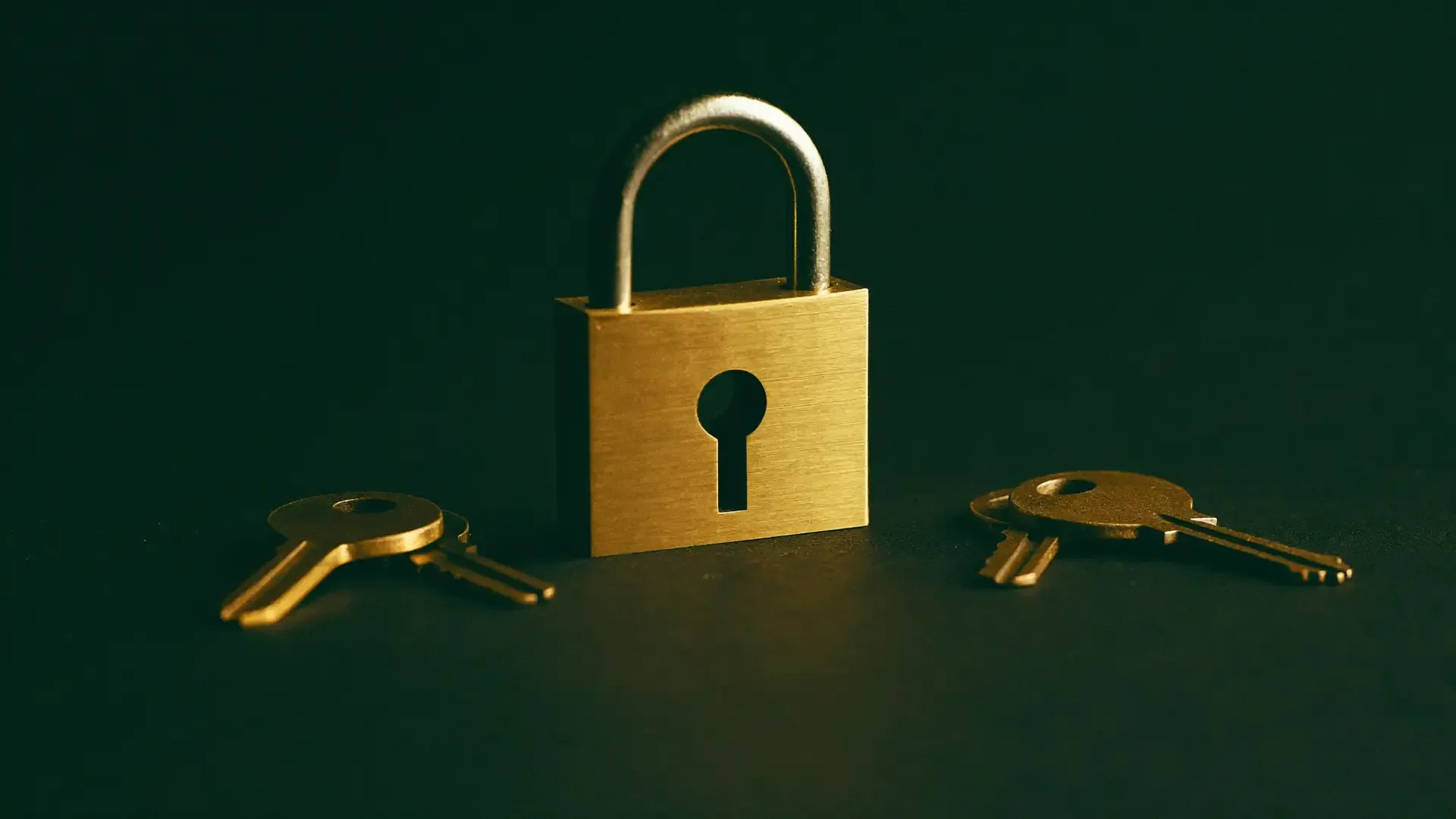
Outdoor gate locks face moisture, UV exposure, and the physical stress of heavy gates. A standard interior lock does not hold up. We install and replace padlocks, keyed gate latches, and heavy-duty hasps designed for exterior use on fence gates, storage areas, and outbuildings. We also rekey gate locks to match your home key when possible.
What you get
- Hardware rated for outdoor exposure
- Proper mounting for gate type and material
- Option to match home key in many cases
- Improves privacy and security for backyard and storage areas
- Upfront pricing before any work begins
Related Services
Residential Locksmith
Locked out of your home, need a lock rekeyed, or want a smart lock installed? Our residential locksmiths handle lockouts, rekeying, lock replacement and repair, deadbolts, smart locks, and gate locks.
Lock Rekeying
Change who can open your lock without replacing the hardware. Rekeying is fast, affordable, and the smart move when you move or lose a key.
Lock Replacement
Old, damaged, or low-quality locks put your home at risk. We replace residential locks with properly installed hardware that actually works.
Common Causes of Gate Locks
Standard padlock rusted or seized shut
Interior-rated padlocks corrode quickly outdoors, especially in humid Upstate SC summers, and eventually stop turning entirely.
Hasp or latch pulled loose from repeated gate slamming
Wind and daily use put ongoing stress on gate hardware, working screws loose over time.
Wanting to secure a storage or utility area
Homeowners adding a shed, pool equipment area, or fenced utility zone often need gate hardware installed for the first time.
Lost gate key with no spare
A single padlock key that goes missing can leave a fenced area inaccessible until the lock is replaced or picked.
Wanting the gate keyed to match the house
Managing a separate key just for the backyard gate is inconvenient, so many homeowners request key matching.
Weather-related hardware failure
UV exposure and moisture break down lower-quality lock components faster than indoor hardware, especially on south-facing gates.
A pool or utility gate no longer self-latching correctly
Hardware that's supposed to automatically latch and close can fail after enough cycles, which is both an inconvenience and a possible code issue.
A newly installed fence without any gate hardware yet
New fence installations sometimes leave gate locking hardware as a separate, later purchase.
Wanting to limit access to a shared driveway or side yard gate
Homes with a side yard gate used by multiple neighbors or a shared driveway sometimes add a lock specifically to control who has access.
The Risks of DIY Gate Locks
Using an indoor-rated lock outdoors
A lock not rated for exterior exposure will corrode and fail well before a weather-rated lock would.
Improper mounting hardware
Screws or bolts not rated for outdoor exposure can rust and weaken the mounting point faster than expected.
Misaligned gate causing binding
A lock installed on a gate that isn't swinging true will bind and wear out faster, or fail to latch consistently.
Cutting a stuck padlock without a backup plan
Bolt-cutting a seized lock without a replacement on hand can leave the area unsecured until new hardware is sourced.
Wrong hasp size or gauge for the gate
A hasp too light for the gate's weight and use frequency can bend or pull loose within months.
Skipping weather sealing around the mounting point
Unsealed mounting holes let moisture into the gate material, accelerating rot or rust around the hardware.
Choosing a lock size that doesn't match the hasp shackle clearance
A padlock shackle too thick or too short for the hasp can either not fit or leave excess play that a bolt cutter can exploit more easily.
Mounting directly into untreated wood without pilot holes
Driving screws into raw wood without a pilot hole can split the post or picket, weakening the very point the lock depends on.
Not accounting for gate sag over time
A gate that sags slightly as the hinges wear can throw off a previously well-aligned latch within a season or two.
What Affects the Cost
- Gate material and how it affects mounting
- Weather-rated hardware grade
- Whether key matching to an existing lock is requested
- Number of gates or access points
Palmetto State Locksmith vs. DIY vs. Dealership
| Palmetto State Locksmith | DIY | Dealership / Alternative |
|---|---|---|
| Weather-rated hardware matched to the gate type | Big-box padlocks vary widely in outdoor durability | Big-box or hardware stores sell the hardware but don't install or align it |
| Proper mounting for gate swing and material | DIY mounting can miss alignment issues that cause premature wear | Not offered as a service |
| Key matching assessed and confirmed upfront | Determining lock compatibility yourself requires research | Not offered as a service |
How it works
- 1
Assess the gate and use case
We look at gate material, how often it is used, and what level of security you need.
- 2
Hardware selection
Weather-rated hardware matched to your gate type and security requirements.
- 3
Installation
Proper mounting for maximum hold, aligned so the gate swings and latches smoothly.
- 4
Key matching if possible
We key the gate lock to match your home key when the lock type allows.
Gate Locks: available in your city
Where we work
Gate Locks questions
Can my gate lock be keyed to match my house key?
What type of lock is best for a wooden fence gate?
Do pool or utility gates need a specific type of lock for code compliance?
Ready to talk about gate locks?
Quotes are free and there is no obligation.